About Phil-Pacific Health Initiative


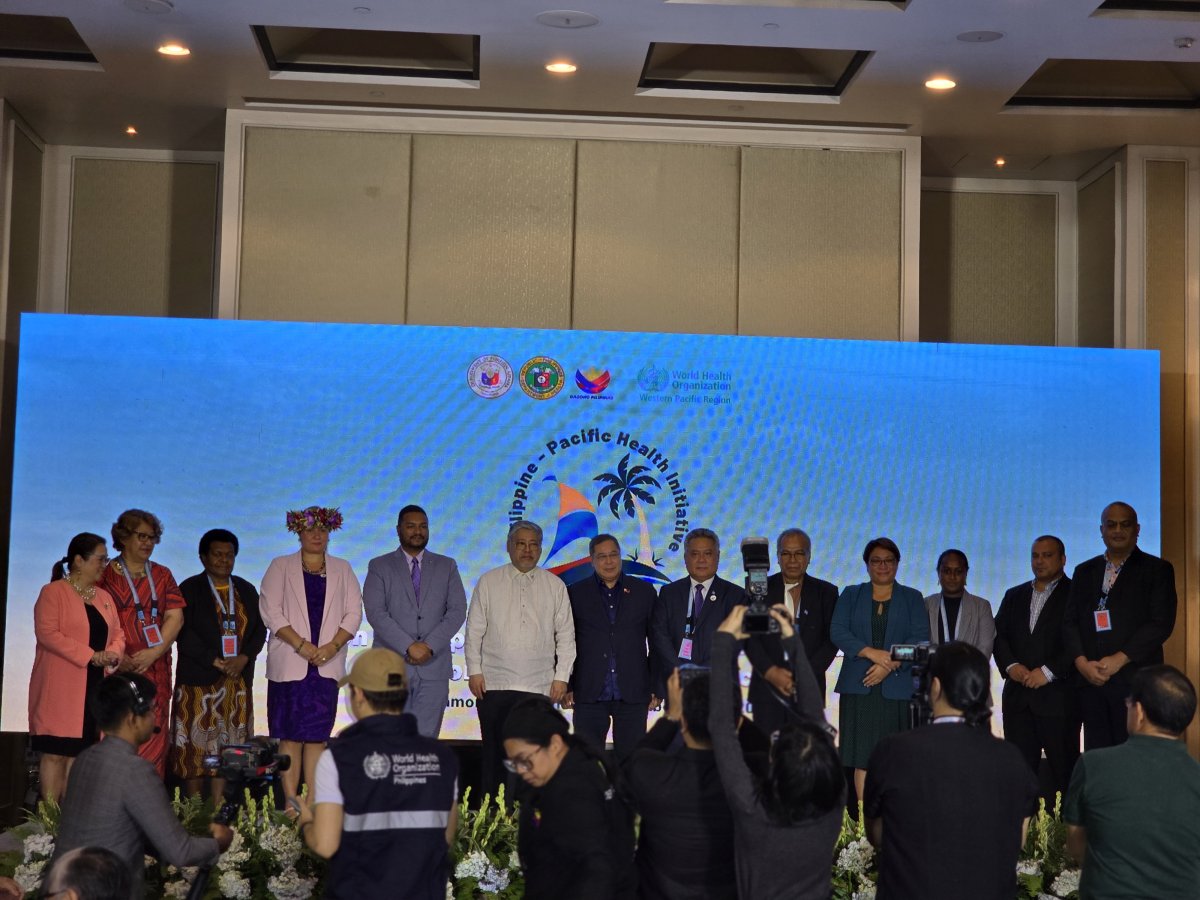
PhilPac Launching and Conference in November 2024

Why do we need to act?

The global health workforce faces a projected shortage of 11 million health workers by 2030, with the Western Pacific Region among the most affected. Many Pacific Island Countries and Areas (PICs)—including Kiribati, the Federated States of Micronesia, Papua New Guinea, Samoa, Tuvalu, Vanuatu, and Solomon Islands—experience severe workforce vulnerabilities driven by:
  • Chronic shortages and maldistribution
  • High migration and turnover
  • Urban concentration of health workers
  • Limited training and career pathways
The estimated health workforce gap across the Pacific is close to 50 000 health workers. This undermines progress in noncommunicable diseases (NCDs), health security, climate resilience and primary health care. Energy uncertainties and extreme weather events further strain fragile health systems across the Pacific.

Why PhilPac?

As a joint initiative of the Secretary of Health of the Philippines, Dr Teodoro J. Herbosa,and the World Health Organization (WHO) Regional Director for the Western Pacific, Dr Saia Ma’u Piukala, a networking platform was established in November 2024 to enhance cooperation and solidarity for health workforce development. 

In support of the first Regional Director of the Western Pacific from a Pacific island country, PhilPac values partnership and collaborative work. It hopes to offer practical, scalable, and solidarity-driven approaches to one of the most critical constraints in global health systems – the health workforce. It provides a pathway to translate the WHO global vision for human resources for health into meaningful action tailored to island health systems in the Pacific.

A regional opportunity: The Philippines calls for solidarity

The Philippines is uniquely positioned to support the Pacific through: 
● High standards in training health workers who are caring and responsive to patient needs. 
● Its role as a leading global source of doctors and nurses. 
● Geographic proximity to Pacific island countries and areas. 
● Leadership in global policy, including the World Health Assembly resolution WHA 78.16 on Accelerating Action on the Global Health and Care Workforce by 2030 and Executive Board decision EB 158(7) on the WHO Global Code of Practice on the International Recruitment of Health Personnel.

PhilPac Stakeholders in the Philippines
University of the Philippines College of Nursing
University of the Philippines College of Medicine
Ateneo de Manila University School of Medicine and Public Health
UP-Philippine General Hospital
The Medical City
Philippine Heart Center
Dr Jose Fabella Memorial Hospital
Quirino Memorial Medical Center
Jose R. Reyes Medical Center
Philippine Children's Medical Center
Bataan General Hospital and Medical Center
Human Resources for Health Network Philippines

South–South collaboration in Health: A paradigm shift in global cooperation

The value of South–South collaboration in health is critical to understanding the purpose and potential impact of PhilPac. South–South refers to partnerships in which countries of the Global South share financing, expertise, technology, workforce and innovations with one another to address common challenges. Unlike the traditional development model – in which wealthier countries in the North provide aid to poorer countries in the South – South–South collaboration is built on principles of solidarity, mutual benefit, shared experience and country ownership.

Countries that have pursued this approach with WHO include Brazil, China Cuba, India, the Republic of Korea and Thailand. Gulf countries including Qatar, Saudi Arabia and the United Arab Emirates also have increasingly financed WHO-supported programmes benefiting lower-income countries, within the framework of South–South cooperation. 

The role of WHO in South–South collaboration is increasingly important. WHO acts as a neutral convener, technical broker and quality assurer. The Organization helps mobilize counterpart financing, identify country needs, match expertise with demand, establish norms and standards, and ensure that lessons learned in one country can be adapted safely and effectively in another. WHO also provides a trusted multilateral platform through which countries can cooperate beyond political or bilateral interests.
Collaboration photo
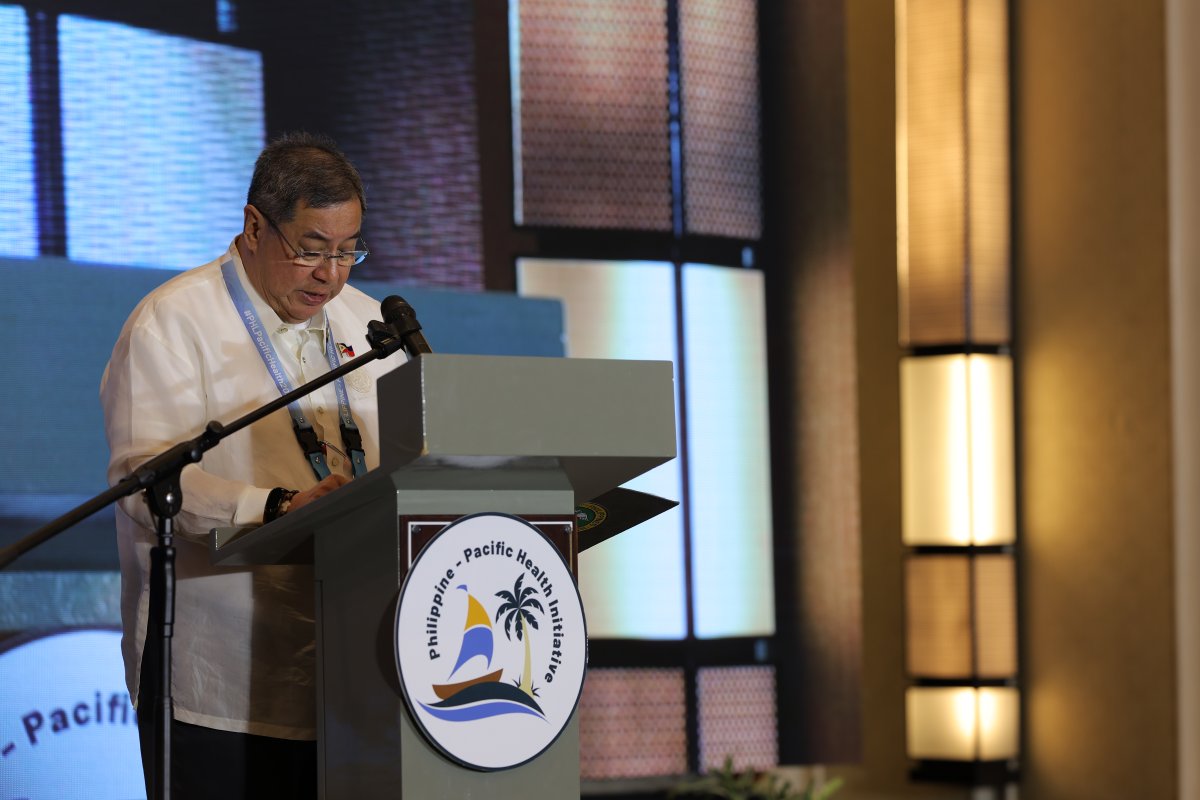
“ Through the Philippine–Pacific Health Initiative, we affirm that the countries of the South are not merely recipients of assistance, but equal partners capable of sharing knowledge, solidarity and solutions to build stronger and more resilient health systems together.” — Teodoro J. Herbosa, Founding Convenor of the Philippine–Pacific Health Initiative, Secretary of Health, Republic of the Philippines.

Guiding Principles

Search