News. Action. Results.
PhilPac strengthens Pacific health workforce cooperation for a more resilient region
With WHO support, the Philippine–Pacific Health Initiative is helping countries translate shared priorities into practical collaboration on training, retention and health security.
Manila, Philippines – Health workers are central to stronger, safer and more equitable
health systems across the Pacific, yet many countries face shortages, migration
pressures and limited training opportunities.
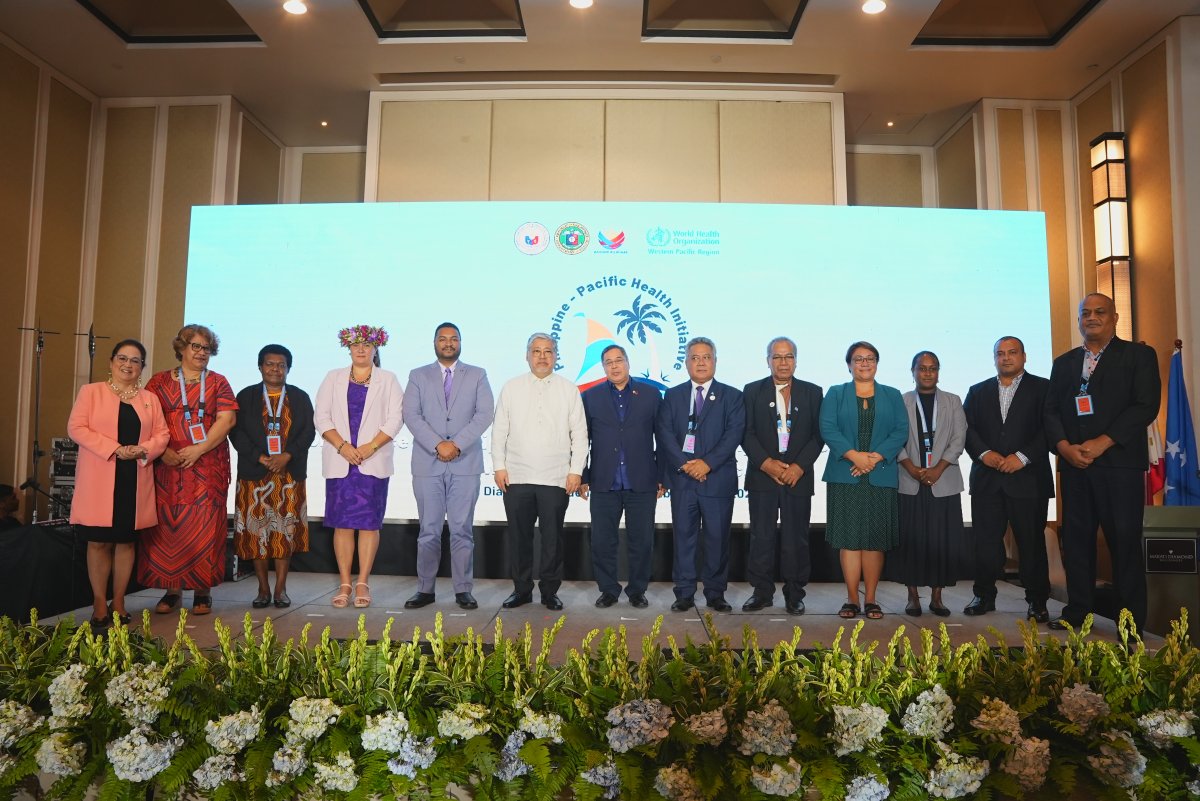
The three-day launch convened 11 Pacific island countries, including health ministers and senior officials, with leaders from the Philippines, WHO, government and academia.
Discussions moved from shared challenges to practical cooperation on training,
exchanges, retention and ethical migration. “The time to diagnose is over and we need
to act now,” said Dr Saia Ma’u Piukala, WHO Regional Director for the Western Pacific.
“It is imperative to invest in the empowerment of our health workforce, address their
shortages, and ensure they are supported to serve their communities.”
For partners and donors, PhilPac offers a focused platform for catalytic investment in a regional public good: a more capable, connected and resilient health workforce. In a video-recorded message, President Ferdinand Marcos Jr. described the Pacific’s vast seas “not as a barrier but as a bridge,” underscoring PhilPac’s foundation in solidarity and shared responsibility.
By supporting collaboration across countries, PhilPac can expand training pathways, strengthen preparedness and improve access to essential services. Its contribution is the shift from dialogue to sustained action—investing in health workers as the foundation for universal health coverage, health security and a healthier Pacific future.